You Won’t Believe What I Found in Cusco’s Hidden Market Corners
Cusco isn’t just ancient stones and Inca trails—its beating heart lives in the bustling commercial streets most tourists walk right past. I wandered far beyond the main plaza and discovered a world alive with color, scent, and energy. From handwoven textiles to steaming street food, every corner tells a story. This is where tradition meets daily life, and commerce becomes culture. Let me take you where the real Cusco thrives.
The Pulse of Cusco: Where Commerce Meets Culture
Cusco has long been a crossroads of exchange, long before Spanish conquistadors set foot in the Andes. As the historic capital of the Inca Empire, it was once the center of an expansive trade network that connected highland communities, coastal regions, and Amazonian foothills. Roads radiated outward like spokes, carrying goods such as dried potatoes, coca leaves, wool, and salt. These ancient routes laid the foundation for today’s commercial rhythms, where market days still follow agricultural cycles and religious festivals. The city’s central plazas, including the iconic Plaza de Armas, evolved from Inca gathering spaces into colonial-era marketplaces, then into the dynamic urban hubs seen today.
What makes Cusco’s commercial culture so compelling is its continuity. Despite centuries of change, the spirit of trade remains deeply communal and rooted in reciprocity. Markets are not merely transactional—they are social events where neighbors meet, news is shared, and traditions are passed down. Vendors often speak Quechua among themselves, the language of the Inca, reinforcing a cultural thread that runs through everyday commerce. For travelers, stepping into these spaces offers more than shopping—it offers insight into how history shapes modern life in the Andes.
Understanding these commercial zones enriches the travel experience. Rather than viewing Cusco through the lens of archaeological ruins alone, visitors gain a fuller picture by witnessing how locals live, work, and sustain their communities. These spaces reveal resilience, creativity, and pride. When you buy a bag of purple corn from a grandmother in the market, you’re not just purchasing an ingredient—you’re participating in a centuries-old system of exchange that values relationship as much as revenue. This deeper connection transforms tourism from passive observation into meaningful engagement.
San Pedro Market: More Than Just a Tourist Stop
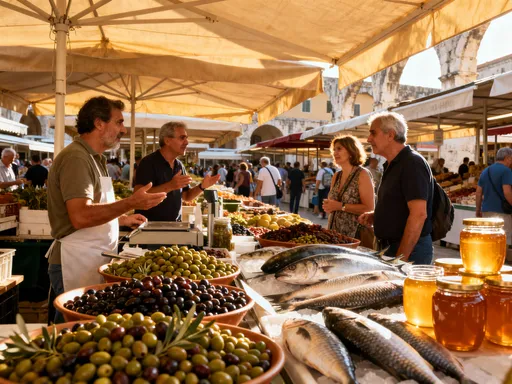
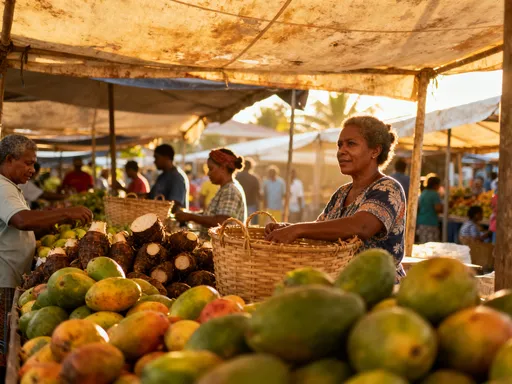
Just a ten-minute walk from the Plaza de Armas, San Pedro Market pulses with raw authenticity. Open daily from early morning until late afternoon, it is a sensory immersion unlike any other. The air is thick with the earthy aroma of fresh herbs, the tang of Andean cheese, and the sweet smoke of roasting corn. Rows of stalls overflow with colorful produce: knobby tubers like oca and mashua, bright red rocoto peppers, and clusters of golden chuño—freeze-dried potatoes that have sustained highland people for generations. Above, strings of dried llama meat and bundles of medicinal plants hang like natural tapestries.
Beyond food, San Pedro offers a glimpse into traditional Andean wellness. In one corner, elderly women sit behind baskets of coca leaves, muña (a mint-like herb), and chuchuhuasi, a bark used in herbal infusions. These are not exotic curiosities—they are everyday remedies used by locals for digestion, altitude relief, and energy. Nearby, a vendor pours steaming cups of api morado, a warm purple corn drink spiced with cinnamon and cloves, served with a side of cheese and bread. It’s a breakfast staple during cold mornings and a favorite at festivals.
While San Pedro has become a destination for travelers, it remains primarily a market for locals. This duality creates a unique atmosphere where cultural exchange happens naturally. To experience it like a resident, arrive between 8:00 and 9:30 a.m., when vendors are fully stocked and the pace is lively but not overwhelming. Carry small bills in Peruvian soles, as change can be difficult to find. Approach with respect—ask before taking photos, and greet vendors with a simple “buenos días” or “hola.” If you sample something, be prepared to purchase it; sampling without buying is considered impolite.
First-time visitors should try cuy salteado, a stir-fried guinea pig dish available at small eateries within the market. Though not for everyone, it represents a traditional protein source in the Andes. For a gentler introduction, try tamales de choclo, made from sweet corn dough and filled with chicken or cheese. These small culinary adventures connect you to Cusco’s food heritage in a direct, personal way. San Pedro is not just a place to shop—it’s a living classroom of Andean life.
Artisan Streets of Triunfo and Santa Catalina: Craftsmanship on Display
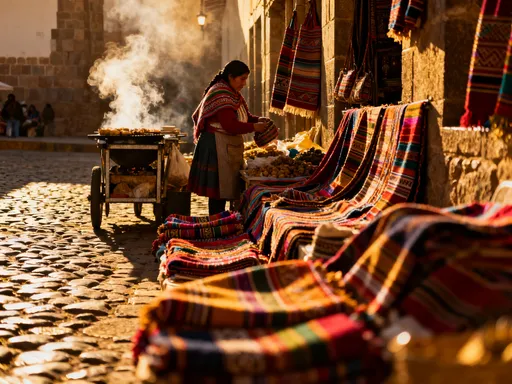
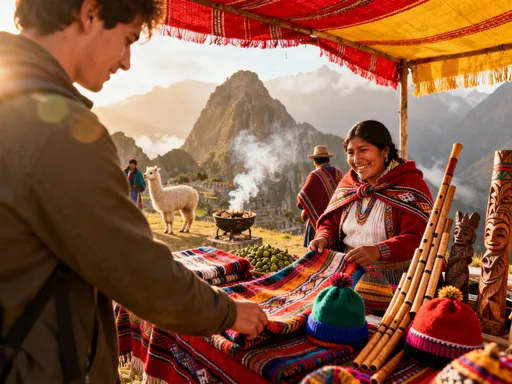
Nestled in the shadow of Cusco’s grand cathedral, the cobblestone lanes of Triunfo and Santa Catalina Avenue are lined with family-run workshops and boutique stores that showcase the region’s artisan legacy. Unlike the mass-produced souvenirs sold near tourist hotspots, these shops offer handcrafted textiles, alpaca knitwear, and ceramic pottery made using techniques passed down through generations. Women often weave at wooden looms visible from the street, their fingers moving with rhythmic precision as they create intricate patterns inspired by nature, cosmology, and ancestral symbols.
One of the most distinctive features of Andean weaving is the use of natural dyes derived from plants, minerals, and insects. Cochineal, a tiny insect found on cactus plants, produces vibrant reds and pinks. Indigo and walnut shells yield deep blues and browns. These dyes are not only sustainable but carry cultural meaning—certain colors signify regions, social status, or spiritual beliefs. A dark blue shawl might indicate mourning in one community, while in another, it symbolizes protection from the cold winds of the highlands.
Supporting these artisans goes beyond acquiring a beautiful object—it supports cultural preservation. Many weavers belong to cooperatives that ensure fair wages and protect traditional knowledge. When you purchase a handwoven scarf or a carved wooden box directly from an artist, you contribute to a system that values craftsmanship over mass production. Ask about the story behind an item: where it was made, who made it, and what the patterns mean. These conversations deepen your appreciation and help sustain intergenerational learning.
The shops on Triunfo and Santa Catalina also reflect a growing movement to blend heritage with modern design. Some artisans incorporate contemporary styles into traditional forms, creating pieces that appeal to younger generations and international buyers without losing authenticity. A Quechua weaver might use ancestral motifs on a modern tote bag or design a jacket with Andean embroidery. These innovations keep the craft alive in a changing world, proving that tradition is not static—it evolves with dignity and purpose.
Modern Cusco: Malls, Cafés, and the Evolving Urban Economy
While historic markets remain central to Cusco’s identity, the city’s commercial landscape is also shaped by modern influences. Shopping centers like Mall Avenida de Armas and smaller boutique plazas offer air-conditioned comfort, international brands, and familiar café chains. These spaces cater to locals seeking convenience and younger residents drawn to global trends. Yet even in these modern settings, Andean culture finds expression. Local designers display alpaca wool clothing alongside imported fashions, and cafés serve quinoa smoothies and coca tea alongside lattes.
This blending of old and new reflects a broader economic shift. A new generation of entrepreneurs is redefining what it means to do business in Cusco. Some open concept stores that combine artisan crafts with digital payment systems and social media marketing. Others launch eco-conscious brands that use recycled materials or support weaving cooperatives. These hybrid models attract both residents and travelers, creating spaces where tradition and innovation coexist.
Boutique cafés have become particularly influential in reshaping Cusco’s urban economy. Found in restored colonial buildings or tucked into quiet alleys, they offer more than coffee—they serve as cultural hubs. You’ll find books on Andean history, live acoustic music featuring native instruments like the charango, and walls adorned with paintings by local artists. These cafés often partner with nearby farmers, sourcing organic coffee from the Sacred Valley or honey from Apurímac. By choosing to operate sustainably and locally, they model a form of commerce that respects both people and place.
Yet this modernization is not without challenges. Rising rents and tourism pressures can push small vendors out of prime areas. Some worry that Cusco risks losing its authenticity as commercial spaces cater more to foreign tastes. However, many locals are responding with intention. Community-led initiatives promote “buy local” campaigns, and city programs support street vendors with designated zones and health certifications. The goal is not to resist change, but to ensure it benefits those who have long called Cusco home.
The Street Vendors’ Rhythm: Daily Life in Full Swing
Long before the sun rises over the Andes, Cusco’s street vendors are already at work. Women bundle up against the morning chill as they arrange bouquets of carnations and chrysanthemums near church entrances. Men push wooden carts stacked with fresh bread, their calls echoing through quiet streets. By 7:00 a.m., the rhythm of commerce is in full swing. These informal traders are the backbone of Cusco’s daily economy, turning sidewalks into vibrant marketplaces that adapt to the flow of the city.
Street vendors sell everything from hand-knit gloves to roasted peanuts, from bundles of eucalyptus for steam baths to small bottles of herbal remedies. Many are migrants from nearby rural communities who come to the city seeking income. They often work seven days a week, relying on daily sales to support families back home. Their resilience is remarkable—working in rain, wind, and thin mountain air, they greet customers with warmth and patience. A simple “¿quiere algo?” (would you like something?) is often accompanied by a smile that transcends language.
These informal markets are not chaotic—they follow an unspoken order. Vendors respect each other’s spaces, often forming loose associations to manage logistics and advocate for rights. Some have worked the same corner for decades, becoming familiar faces to locals and regular visitors alike. Their presence adds texture to the city, offering spontaneous moments of connection. Buying a warm empanada from a cart at noon or a cup of coca tea in the evening is more than a transaction—it’s a shared moment of humanity.
For travelers, engaging with street vendors requires mindfulness. Bargaining is not expected at small food carts or flower stands—prices are already low and livelihoods depend on fair exchange. Instead, show appreciation through kindness and courtesy. Learn a few basic phrases in Spanish or even a Quechua greeting like “allillanchu” (hello, are you well?). These small gestures build bridges and honor the dignity of those who keep the city’s commercial spirit alive.
Smart Exploration: Navigating Cusco’s Commercial Zones Like a Local
Exploring Cusco’s markets and commercial streets is rewarding, but doing so wisely ensures a safe and respectful experience. First, carry Peruvian soles in small denominations—vendors often lack change for large bills, and ATMs may charge high fees. Avoid flashing money or electronics; keep valuables secure and use a crossbody bag. Stick to well-lit, populated areas, especially in the evening, and be aware of your surroundings without appearing distrustful.
When moving between markets, walk at a relaxed pace and observe how locals interact. Follow pedestrian flow, especially in narrow alleys where porters carry heavy loads. If you wish to photograph a vendor or their goods, ask first with a smile and a gesture. A simple “¿puedo tomar una foto?” goes a long way. Many will say yes, especially if you show genuine interest. Some may request a small tip, which is acceptable if you’re comfortable—typically one or two soles.
To see the full spectrum of Cusco’s commerce, consider a walking route that connects San Pedro Market with the artisan streets of Triunfo, then loops toward the Plaza de Armas and nearby café districts. Start early to avoid crowds and experience the morning energy. Include stops at local eateries, not just for food but to observe daily routines. Sit at a counter, order a simple dish, and watch the world go by. These quiet moments often reveal more than any guided tour.
Bargaining is common in artisan shops but should be done respectfully. Begin by asking the price, then decide if it fits your budget. If you’d like to negotiate, do so gently and with a smile—never aggressively. Remember, these items represent hours of labor. Paying a fair price honors the craft. In food markets and street carts, prices are usually fixed, so pay what is asked. Tipping is not expected but appreciated—leaving a small extra coin is a kind gesture.
Why These Spaces Matter: Travel That Goes Beyond Sightseeing
Visiting Cusco’s markets and commercial streets offers more than shopping—it invites a deeper form of travel. When you step into San Pedro Market or walk the artisan lanes of Triunfo, you’re not just observing culture; you’re engaging with it. These spaces are where history lives in motion, where traditions are practiced, not preserved behind glass. They remind us that culture is not static—it breathes, adapts, and thrives through everyday actions.
Economic tourism—spending thoughtfully in local businesses—has a powerful impact. Every purchase supports families, sustains crafts, and strengthens community resilience. When you buy from a weaver, you help keep a language of symbols alive. When you eat at a family-run stall, you sustain a culinary tradition. This kind of travel creates ripples of positive change, far beyond the moment of transaction.
Moreover, these experiences foster human connection. In a world where travel can sometimes feel transactional or superficial, Cusco’s commercial heart offers authenticity. A shared smile with a vendor, a conversation over a warm drink, the joy of discovering a hand-carved spoon—these moments stay with you long after the journey ends. They become part of your own story, just as your presence becomes part of Cusco’s ongoing narrative.
True travel is not about checking landmarks off a list. It’s about slowing down, listening, and participating with respect. It’s about recognizing that behind every woven textile, every steaming pot of soup, there is a person with dreams, struggles, and pride. When we travel this way, we don’t just see the world—we connect with it.
Cusco’s commercial heart isn’t just about buying or selling—it’s a living tapestry of history, resilience, and human connection. When we step into its markets and streets, we don’t just observe a culture; we become part of its ongoing story. Let your journey go deeper. Let it matter.