Hidden Natural Gems Around Jerusalem You’ve Never Seen Before
You know that feeling when you think you’ve seen it all, and then—bam—nature hits you with something totally unexpected? That’s exactly what happened when I started exploring the wild, quiet corners just outside Jerusalem. Forget the crowded holy sites for a sec; the real magic lies in the olive-dotted hills, ancient trails, and sunlit valleys where time seems to pause. These natural spots aren’t just peaceful—they’re perfect for breathtaking photos that feel authentic, raw, and alive. Let me take you to the Jerusalem most visitors never even know exists.
The Green Heart of a Holy City
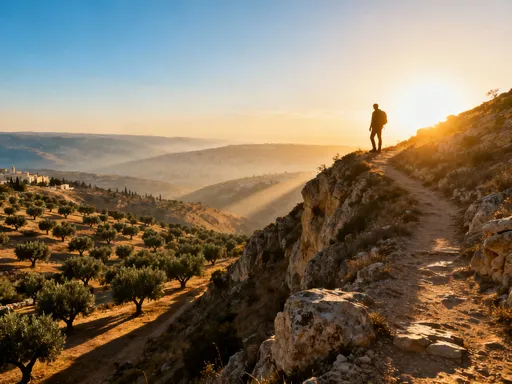
Jerusalem is often celebrated for its spiritual significance, but few realize how deeply nature is woven into its identity. Perched at over 750 meters above sea level, the city enjoys a temperate climate that supports a surprising diversity of plant and animal life. The hills surrounding Jerusalem are not barren stone—they are alive with seasonal rhythms, painted in hues of green after winter rains and glowing gold under the summer sun. Olive groves, some with trees centuries old, cling to terraced slopes that have been shaped by human hands for generations. Wildflowers bloom in bursts of red, purple, and white each spring, transforming the landscape into a living canvas.
This unique blend of elevation, rainfall, and Mediterranean influences creates micro-environments where species from different ecological zones coexist. You might spot a sparrow flitting through a carob tree one moment and, just a few hundred meters away, catch sight of a rock hyrax sunbathing on a limestone outcrop. The contrast between the ancient stone city and the surrounding greenery is striking. While pilgrims walk through sacred streets paved with history, just beyond the city walls, nature thrives in quiet resilience. For photographers, this duality offers endless inspiration—ancient and wild, sacred and natural, all within a short walk from the bustling Old City.
What makes Jerusalem such a compelling destination for nature photography is not just its beauty but its accessibility. Within 20 minutes of leaving downtown, you can find yourself standing in silence, surrounded only by the rustle of leaves and the distant call of a hoopoe bird. The city’s geography funnels trails and nature reserves into its immediate periphery, making it easy to escape the noise without traveling far. Whether you're drawn to the soft light of dawn filtering through olive branches or the dramatic shadows cast by rocky cliffs at sunset, Jerusalem’s natural landscapes offer a rare combination of serenity and visual depth.
Ein Yael Nature Reserve: Where History Meets Wilderness
Just a 15-minute drive southwest of central Jerusalem, Ein Yael Nature Reserve unfolds like a hidden chapter of the region’s story. This tranquil valley, carved by a natural spring, has sustained human activity for thousands of years. Today, it offers a peaceful retreat where water, stone, and greenery converge in perfect harmony. The reserve’s centerpiece is a freshwater spring that feeds a series of small pools and channels, remnants of ancient agricultural systems that once powered olive presses and irrigation terraces. Walking along the shaded paths, you’ll pass stone arches, old aqueducts, and the remains of a Byzantine-era farmstead—all slowly being reclaimed by nature.
For photographers, Ein Yael is a dream come true, especially during golden hour. The low afternoon sun casts long shadows across the stone structures, illuminating textures in the weathered rock. Light dances on the surface of the water, creating shimmering reflections that mirror the overhanging carob and fig trees. A polarizing filter can enhance the clarity of these reflections, reducing glare and deepening the contrast between water and sky. The interplay of light and shadow through the tree canopy offers endless compositional possibilities, from wide-angle shots of the entire valley to close-ups of moss-covered stones and rippling water.
Visiting Ein Yael requires minimal preparation but thoughtful timing. The best hours are early morning or late afternoon, when the light is soft and the reserve is least crowded. Weekdays are quieter than weekends, and spring offers the lushest greenery. Wear sturdy walking shoes—the terrain is uneven in places, with natural rock steps and occasional muddy patches near the water. There are no food vendors inside, so bring water and a light snack. Because the reserve is relatively small, a two-hour visit is enough to explore the main trails and pause for photos. Families often come here for picnics, so early arrival ensures a peaceful experience. Above all, remember that this is a protected area—stay on marked paths, avoid disturbing wildlife, and leave no trace behind.
The Sataf Springs: A Secret Oasis in the Hills
Nestled in the hills southwest of Jerusalem, the Sataf Springs offer one of the most refreshing and visually stunning natural experiences in the region. Once an ancient agricultural village, Sataf has been restored to showcase traditional terraced farming, but its true magic lies in the network of natural springs that feed a series of cascading pools. During the rainy season—from December to April—these pools fill with crystal-clear water, creating a rare desert oasis where visitors can wade barefoot through cool streams surrounded by lush vegetation. The sound of flowing water, the scent of damp earth, and the sight of sunlight glinting off ripples make this place feel almost otherworldly.
The seasonal beauty of Sataf is unmatched. In late winter and early spring, the hills come alive with blooming anemones, cyclamens, and asphodels. Songbirds flit between the trees, and dragonflies hover above the water. This is prime time for nature photography—capturing the contrast between vibrant flowers and still pools, or freezing the motion of flowing water with a fast shutter speed. For a dreamy effect, try using a slow shutter to blur the water into soft ribbons of light. A tripod is essential for these shots, especially in the shaded areas where light is limited. Early morning visits offer the best conditions: softer light, fewer people, and the chance to photograph mist rising from the pools.
Because Sataf is a delicate ecosystem, responsible visitation is crucial. The site is managed by Keren Kayemeth LeIsrael (KKL-JNF), which enforces strict guidelines to protect the environment. Visitors are asked to stay on designated paths, avoid picking flowers, and refrain from using soap or lotions in the water. These rules are not just suggestions—they are necessary to preserve the site for future generations. Photography should be done with respect: avoid trampling vegetation for a better angle, and never disturb animals for a shot. The beauty of Sataf lies in its authenticity, and the best photos are those that capture it as it is, not as we wish to reshape it.
Hiking the Jerusalem Ridge Trail – Panoramas Worth the Climb
For those seeking sweeping views and dramatic landscapes, the Jerusalem Ridge Trail is a must. Stretching approximately six kilometers from Har Guvrin to the outskirts of Mevaseret Zion, this well-marked path follows the high ridge of the Judean Hills, offering panoramic vistas that stretch from the Mediterranean haze in the west to the arid slopes of the Judean Desert in the east. The trail is moderately challenging, with some steep ascents and rocky sections, but the rewards are immense. Each bend in the path reveals a new composition—a valley bathed in morning light, a distant monastery perched on a cliff, or a field of wildflowers swaying in the breeze.
One of the most photographed spots along the trail is the Nahal Refaim viewpoint. From this vantage point, the valley unfolds below like a folded tapestry of green and gold. In March and April, the meadows are carpeted with red anemones and white crown daisies, creating a vibrant contrast against the gray limestone. A wide-angle lens works best here, capturing the vastness of the landscape, while a telephoto can isolate distant details like a shepherd leading his flock or a lone tree standing against the skyline. The light changes rapidly along the ridge, so timing is key. Early morning hikes allow you to catch the soft, diffused light that enhances textures and minimizes harsh shadows.
Preparation is essential for a safe and enjoyable hike. Bring at least two liters of water per person, especially in spring when temperatures can rise quickly. Wear breathable clothing and a wide-brimmed hat, and choose hiking shoes with good grip—some sections are loose and slippery. There are no facilities along the trail, so pack out all trash and plan your route in advance. The trail is well-marked with colored blazes, but a GPS app or offline map is recommended. Photography enthusiasts should carry a lightweight backpack with essential gear: extra batteries, lens cloths, and a compact tripod. The effort of the climb is always rewarded—not just with photos, but with a deep sense of connection to the land.
Wadi Qelt: Desert Beauty Just Beyond the City
Just a short drive east of Jerusalem, the landscape shifts dramatically as you descend into Wadi Qelt, a deep canyon that cuts through the Judean Desert toward the Jordan Valley. This stark and majestic environment is one of the most visually compelling in the region, offering a striking contrast to the green hills near the city. The wadi’s rugged cliffs, carved by centuries of erosion, rise hundreds of meters on either side, creating a natural corridor that has served as a trade and pilgrimage route since ancient times. Today, it is a haven for hikers, wildlife, and photographers drawn to its raw, untamed beauty.
Wadi Qelt is home to a surprising variety of life. Ibex, with their curved horns and agile movements, are often seen scaling the cliffs at dawn. Rock hyraxes peek out from crevices, and if you’re lucky, you might spot a golden eagle soaring overhead. The vegetation is sparse but resilient—desert broom, acacia trees, and patches of wild mint cling to cracks in the rock where moisture collects. In spring, the wadi blooms with desert hyacinths and poppies, adding splashes of color to the otherwise monochrome landscape. These contrasts—between rock and sky, stillness and movement, aridity and life—are what make Wadi Qelt so compelling to photograph.
One of the most iconic sights in the wadi is the Greek Orthodox Monastery of St. George, a 5th-century marvel built into the cliffside. Perched on a narrow ledge, the monastery seems to defy gravity, its white walls glowing against the red stone. Photographing it requires patience and timing—early morning light softens the harsh shadows, while a telephoto lens can isolate the structure from its surroundings. Because the wadi is vast and remote, guided tours are recommended for first-time visitors. Local guides not only ensure safety but also share stories and insights that deepen the experience. Always stay on marked trails, avoid disturbing wildlife, and carry all water and supplies with you—there are no services in the wadi.
The Olive Groves of Lifta – Nature and Memory Intertwined
On the western edge of Jerusalem, the abandoned village of Lifta sits quietly among the hills, its stone houses slowly being overtaken by nature. But what truly captivates visitors are the ancient olive groves that surround it. These gnarled, twisted trees—some estimated to be over 500 years old—stand as silent witnesses to the passage of time. Their trunks, shaped by wind and age, tell stories of resilience and continuity. For photographers, they offer some of the most powerful and emotive subjects in the region. The way light falls on their textured bark at sunrise, casting long shadows across the stone terraces, creates images that are both timeless and deeply moving.
Lifta’s olive trees are more than just scenic elements—they are living symbols of the region’s agricultural heritage. Olive cultivation has been central to life in this area for millennia, providing oil, food, and economic stability. The trees’ ability to thrive in poor soil and with minimal water makes them a model of sustainability. In recent years, efforts have been made to preserve and care for the groves, recognizing their ecological and cultural value. Visitors are encouraged to walk respectfully through the area, avoiding damage to roots or branches. A macro lens can reveal the intricate details of the bark, while a wide shot can capture the grove’s expanse against the backdrop of the Jerusalem skyline.
Because Lifta is an abandoned site with ongoing preservation discussions, visitors should approach with sensitivity. There are no formal facilities, and access is via a dirt path from the main road. The best time to visit is early morning or late afternoon, when the light is golden and the air is still. The quietness of the place invites reflection—on history, on nature, and on the quiet beauty that emerges when human activity pauses. Photographs taken here are not just images of trees; they are meditations on time, memory, and the enduring bond between people and the land.
Photography Tips for Jerusalem’s Natural Landscapes
Capturing the beauty of Jerusalem’s natural surroundings requires more than just a good camera—it demands preparation, patience, and respect. One of the most effective tools for landscape photography here is a polarizing filter. It helps reduce glare from water and stone, enhances the blue of the sky, and brings out the richness of greenery after rain. Because light conditions change rapidly in the hills, shooting during the golden hours—shortly after sunrise and before sunset—will yield the most flattering results. The low angle of the sun adds depth and dimension to your images, highlighting textures in rock, soil, and tree bark.
When packing for a photography hike, prioritize mobility and protection. A lightweight backpack with a rain cover is ideal, especially during the unpredictable spring months. Bring a variety of lenses: a wide-angle for expansive views, a telephoto for distant details, and a macro for close-ups of flowers, insects, or tree bark. A compact tripod is invaluable for long exposures, particularly near water or in low light. Don’t forget extra batteries and memory cards—remote locations mean no charging stations. And always keep your gear dry; a simple microfiber cloth can save your lens from dust and moisture.
Equally important is ethical photography. Stay on marked trails to prevent soil erosion and protect fragile plants. Avoid using drones in nature reserves unless explicitly permitted—many areas prohibit them to protect wildlife and visitor privacy. Never feed or approach animals for a photo, and be mindful of private or sacred sites. Some olive groves and springs are on private land or near religious locations; always observe posted signs and local customs. The goal is not just to take beautiful photos, but to do so in a way that preserves the integrity of the places you visit.
Finally, let your curiosity guide you. Some of the best shots come from unexpected moments—a ray of light breaking through clouds, a shepherd leading goats down a hill, or the reflection of an ancient wall in a rain puddle. Keep your camera ready, but also take time to simply observe. The landscapes around Jerusalem are not just scenes to capture—they are experiences to absorb. When you return home, your photos will carry more than visual beauty; they will carry the quiet presence of a land that has witnessed centuries of life, growth, and renewal.
Jerusalem’s natural areas aren’t just backdrops—they’re living, breathing parts of its soul. Each valley, spring, and trail tells a story older than stone. By stepping off the beaten path, photographers don’t just capture images; they connect with a quieter, wilder truth. So next time you’re in the holy city, let curiosity lead you beyond the walls. The land is waiting—and it’s absolutely stunning.