You Won’t Believe What I Found Hiking Bariloche’s Secret Trails
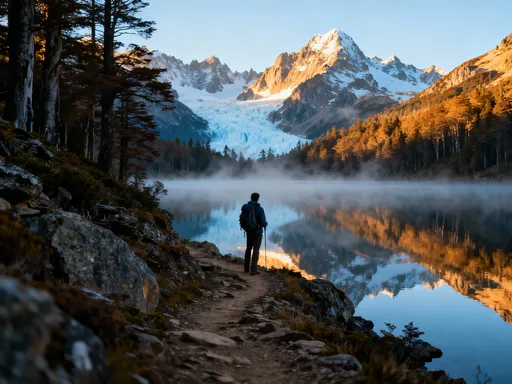
Nestled in Argentina’s Lake District, Bariloche is more than just chocolate and postcard-perfect alpine views. I went off the grid, chasing untouched trails, silent forests, and mirror-like lakes only reachable on foot. What I discovered wasn’t just beauty—it was transformation. This is real, raw adventure: no crowds, no filters, just pure connection with nature’s quiet magic. Far from the bustling waterfront cafes and souvenir shops, a deeper version of Bariloche waits—accessible only to those willing to lace up their boots, paddle into the mist, or ride winding forest paths. This is not about ticking off landmarks, but about stepping into a rhythm older than tourism: the rhythm of movement, stillness, and discovery.
Why Bariloche? Beyond the Postcard
Bariloche, officially known as San Carlos de Bariloche, sits like a jewel on the southern edge of Nahuel Huapi Lake, surrounded by the towering Andes and dense Patagonian forests. Internationally, it’s famed for its Swiss-inspired chalets, rich dark chocolate, and panoramic viewpoints that draw photographers and day-trippers year-round. The Cerro Campanario lookout, accessible by cable car, offers a sweeping vista that appears on countless travel brochures. Yet, for all its visual appeal, this well-trodden side of Bariloche only tells part of the story. Beyond the postcard perfection lies a wilder, quieter, and far more immersive landscape—one that rewards those who venture beyond the main roads and marked trails.
What makes Bariloche truly special is not its resemblance to the Alps, but its authenticity as a gateway to untamed nature. The Nahuel Huapi National Park, established in 1934, spans over 7,000 square kilometers and protects some of the most biodiverse terrain in northern Patagonia. While many visitors stay within the Circuito Chico loop or take short walks near the city, a growing number of travelers are seeking deeper engagement. These niche adventurers are drawn not by convenience, but by the chance to experience solitude, physical challenge, and a sense of discovery that mass tourism often erases.
The contrast between the tourist-facing Bariloche and its hidden wilderness is striking. One can spend a morning sipping hot chocolate in a bustling café, then by afternoon, find oneself alone on a ridge with only the wind and the distant cry of a chimango bird for company. This duality is precisely what makes the region so compelling. It offers accessibility and infrastructure for travelers, yet remains close enough to true wilderness that a sense of escape is always within reach. For those willing to go further, the rewards are not just scenic—but emotional and even transformative.
The Real Adventure: Choosing the Right Activity Experience
Adventure travel has evolved. It’s no longer enough to simply arrive at a beautiful place and take pictures. Today’s meaningful journeys are defined by participation, effort, and sensory immersion. In Bariloche, the most rewarding experiences come not from passive observation, but from active engagement with the landscape. Whether trekking through ancient forests, paddling across glacial waters, or biking along mountain ridges, these activities shift the traveler from spectator to participant. The difference is profound: instead of viewing nature from a distance, you become part of its rhythm.
A truly meaningful activity experience involves several key elements. First, it requires physical effort—something that raises the heart rate and engages the body. This effort builds a deeper connection to the environment, making every vista, every pause, feel earned. Second, it must offer immersion—surrounding the traveler with sights, sounds, and even smells that cannot be replicated in daily life. The scent of damp lenga bark after rain, the chill of mountain air on the skin, the crunch of volcanic gravel underfoot—all of these sensory details anchor the experience in reality.
Third, and perhaps most importantly, it fosters connection—between the traveler and the natural world, and often between travelers themselves. Shared challenges, like navigating a steep ascent or setting up camp in the wind, create bonds and memories that last far longer than any photograph. In Bariloche, options for such experiences abound. Backcountry trekking near Mount Tronador allows hikers to walk beneath glaciers and cross rivers fed by ancient ice. Packrafting on remote lagoons offers a silent, intimate way to explore hidden inlets. Mountain biking through forest trails combines speed and serenity, letting riders cover more ground while still feeling close to nature.
Each of these activities transforms the journey from a sightseeing tour into a personal expedition. They demand preparation and presence, but in return, they offer something rare in modern travel: authenticity. This is not adventure as a performance, but as a practice—a way of moving through the world with intention and awareness.
Trailblazing Off the Beaten Path: Hidden Hikes with Big Rewards
While many visitors stick to the well-marked trails near Bariloche’s city center, the true magic lies in the paths less traveled. These hidden hikes require a bit more planning and effort, but they deliver solitude, stunning vistas, and a sense of discovery that’s hard to find elsewhere. Three such trails stand out for their beauty, accessibility, and relative lack of crowds: the ascent to Refugio Otto Mayer, the backside ridge walk near Cerro Campanario, and the lakeside path to Playa Bonita.
The hike to Refugio Otto Mayer is a moderate-to-challenging trek that begins near the base of Cerro Otto and winds upward through dense lenga and coihue forests. The trail gains elevation steadily, offering occasional glimpses of Nahuel Huapi Lake through the trees. After about three hours of steady climbing, hikers emerge at the refugio—a small, wood-heated mountain shelter maintained by local alpine clubs. From here, the view stretches across the lake to the distant peaks of the Andes. On clear days, the sight is unforgettable. The refugio itself is rustic but welcoming, often staffed by volunteers who serve hot drinks and simple meals. Staying overnight allows visitors to experience the mountain in complete silence, under a sky dense with stars.
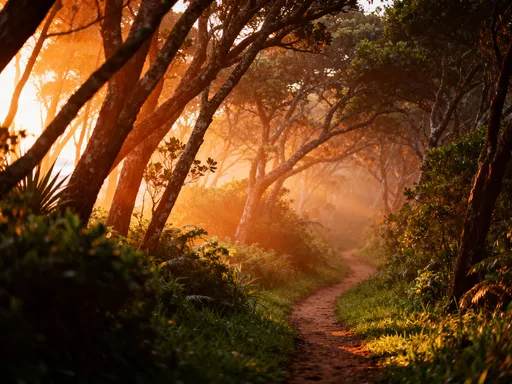
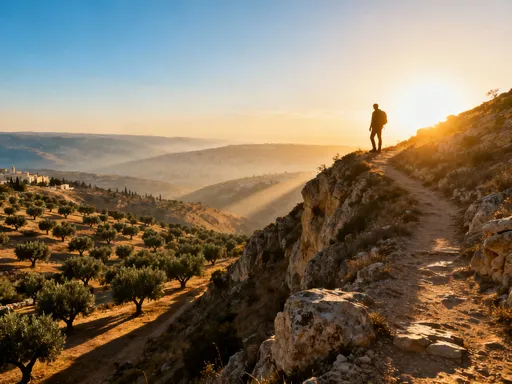
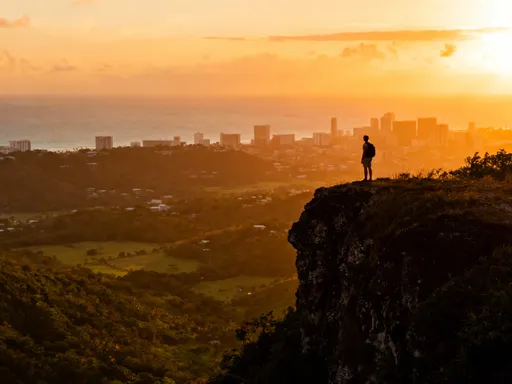
Another lesser-known route is the ridge walk along the northern flank of Cerro Campanario. While the southern side is packed with tourists taking the cable car, the back trails remain quiet. Starting from a small parking area off RP-8, this path climbs gently through mixed forest before opening onto a narrow ridge with panoramic views of the city, the lake, and surrounding mountains. Birdwatchers may spot black-chested buzzards or even the elusive Andean condor soaring on thermal winds. The entire loop takes about four hours and is best done in the early morning, when mist still clings to the treetops and the light is soft.
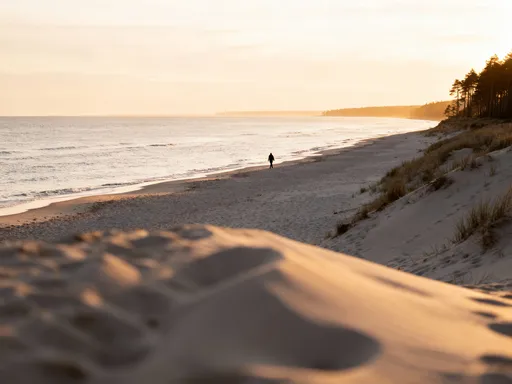
For those seeking a more relaxed but equally rewarding hike, the trail to Playa Bonita offers a peaceful lakeside escape. Located about 20 kilometers north of Bariloche along Route 40, this path begins at a modest trailhead and follows a winding route through low forest before opening onto a secluded beach. The sand is dark and volcanic, the water crystal clear. Because it’s not widely advertised, few tourists make the effort to visit. Families sometimes come for picnics, but on most days, the beach is nearly empty. It’s an ideal spot for swimming, reading, or simply sitting in silence, listening to the waves. The round trip is about 6 kilometers, making it accessible for most fitness levels.
All three trails are best enjoyed between late spring and early fall—November through March—when snow has melted, days are long, and weather is generally stable. Hikers should bring layered clothing, as temperatures can shift rapidly, along with sturdy boots, plenty of water, and a basic first-aid kit. While these routes are not technical, they require respect for the environment and awareness of changing conditions. The payoff, however, is immense: a chance to experience Bariloche not as a destination, but as a living, breathing landscape.
Water Without the Crowds: Kayaking and Packrafting Nahuel Huapi’s Quiet Corners
One of the most peaceful ways to experience Nahuel Huapi Lake is from the water. While most visitors view the lake from cruise ships or shoreline restaurants, kayaking and packrafting offer a more intimate and immersive perspective. These low-impact activities allow travelers to glide silently past rocky inlets, hidden beaches, and forested coves that are inaccessible by road. The experience is meditative—each paddle stroke cutting through glassy water, the only sound the occasional splash of a fish or call of a waterfowl.
For those seeking solitude, launching from quieter access points is key. Puerto Manzano, located about an hour’s drive from Bariloche, is an excellent starting point. This small, family-run dock offers kayak rentals and basic facilities, but sees only a fraction of the traffic of the main marinas. From here, paddlers can explore the northern arm of the lake, where steep cliffs rise directly from the water and ancient trees cling to rocky slopes. Another option is Puerto Frías, even more remote, where the lake narrows into a fjord-like channel surrounded by pristine forest. A day trip here can include a hike to a small waterfall or a quiet picnic on a deserted shore.
Packrafting, a newer but growing activity in the region, combines the portability of an inflatable raft with the maneuverability of a kayak. These lightweight boats can be carried in a backpack, allowing adventurers to access remote lagoons and rivers that larger vessels cannot reach. Some travelers combine trekking with packrafting, hiking to a high-altitude lake and then floating across it to a new trailhead. This style of travel—known as “kayak trekking”—is gaining popularity among those who want to cover more terrain while minimizing environmental impact.
Safety is essential when paddling in Patagonia. Winds can rise quickly, especially in the afternoons, so it’s wise to launch early and monitor weather conditions. Wearing a life jacket, dressing in layers, and carrying a waterproof map or GPS are all recommended. Many local outfitters offer guided tours for beginners, providing instruction and equipment. For a truly authentic experience, some paddlers plan a shore-side asado—a traditional Argentine barbecue—using local meats and vegetables. Cooking over an open fire, surrounded by silence and water, turns a simple meal into a celebration of place and effort.
Pedaling Through the Wild: Mountain Biking the Andean Foothills
Mountain biking has become one of the most dynamic ways to explore Bariloche’s diverse terrain. Unlike hiking, which covers shorter distances, or driving, which moves too quickly, biking strikes a perfect balance—offering speed without sacrificing connection. The region’s network of forest trails, fire roads, and lakeside paths provides endless opportunities for riders of all levels. From gentle loops to challenging climbs, the Andean foothills welcome those who want to feel the wind, hear the crunch of gravel, and round a bend to find a view that takes the breath away.
One of the most popular routes is the loop around Lago Gutierrez, a crystal-clear lake just minutes from the city. This 22-kilometer trail is mostly non-technical, with packed dirt and occasional rocky sections. It passes through shaded lenga forests, opens onto sunny meadows, and offers frequent viewpoints over the lake. Riders can stop at small beaches for a swim or a snack, making it ideal for families or casual cyclists. Bike rentals are readily available in Bariloche, with many shops offering well-maintained hardtail and full-suspension models.
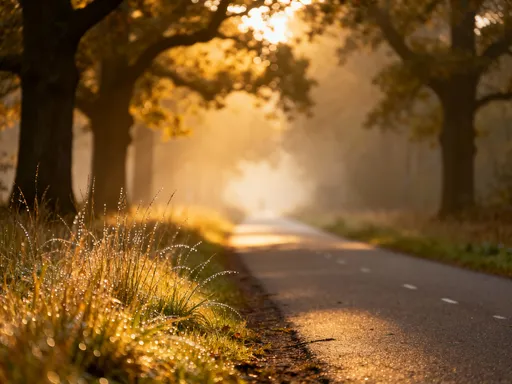
For a more adventurous ride, the trails near Circuito Chico provide a mix of elevation and scenery. Starting from the same route that cars use, cyclists can turn onto side paths that climb into the hills, offering panoramic views of the lake and surrounding peaks. The descent through misty forests is particularly thrilling, with winding singletrack and sudden clearings that reveal dramatic vistas. These trails are best ridden in dry conditions, as Patagonian clay can become slippery when wet.
Beginners need not feel intimidated. Several local guides offer half-day tours that include bike fitting, safety instruction, and route planning. These services are especially helpful for travelers unfamiliar with the terrain or weather patterns. For experienced riders, multi-day bikepacking trips are becoming increasingly popular—combining overnight stays at eco-refugios with long days of exploration. Whether riding for fitness, fun, or freedom, mountain biking in Bariloche offers a unique way to engage with the landscape—one pedal stroke at a time.
Staying Grounded: Where to Rest Without Losing the Vibe
Where you stay can make or break an adventure trip. In Bariloche, the most memorable accommodations are not the large hotels or chain resorts, but the small, locally-run lodges and eco-friendly refugios that blend into the landscape. These places prioritize authenticity, sustainability, and connection. They are often family-owned, heated by wood stoves, and situated within walking distance of trailheads or lake access points. Staying in such places enhances the overall experience, allowing travelers to slow down and truly absorb the rhythm of the region.
One excellent option is a traditional estancia—a working ranch that opens its doors to guests. These properties offer simple but comfortable rooms, home-cooked meals made from local ingredients, and a chance to interact with hosts who have lived in the area for generations. Meals often include lamb asado, fresh trout from the lake, and seasonal vegetables. Some estancias even offer horseback riding or guided nature walks, adding another layer to the experience.
For those seeking a more rustic stay, eco-refugios provide a minimalist yet rewarding alternative. These small mountain shelters are scattered throughout the national park and can be reached only by foot or boat. They typically offer bunk beds, basic cooking facilities, and wood-burning stoves. While amenities are limited, the sense of isolation and immersion is unparalleled. Waking up to the sound of birds, stepping outside to a frost-covered meadow, or watching the sunrise over the lake—these moments become the heart of the journey.
Sustainable hostels are another great choice, especially for solo travelers or small groups. Many are run by outdoor enthusiasts who understand the needs of hikers, bikers, and paddlers. They often organize communal dinners, share trail updates, and provide secure storage for gear. The atmosphere is friendly and inclusive, fostering conversations between travelers from different countries who share a love of nature and adventure.
No matter the choice, the key is to stay close to nature and avoid over-commercialized areas. Eating homemade curanto, sharing stories with a local guide, or simply sitting on a porch with a cup of mate tea—these quiet moments often leave the deepest impression. They remind us that travel is not just about movement, but about presence.
Putting It All Together: Planning Your Own Niche Escape
Creating a meaningful, off-the-beaten-path experience in Bariloche is entirely achievable with thoughtful planning. A well-structured trip of 6 to 8 days allows enough time to explore multiple activities without feeling rushed. The ideal window for travel is between November and March, when temperatures are mild, days are long, and most trails and access points are snow-free. This period also coincides with Argentina’s summer, making it a popular time for domestic and international visitors—though those who venture beyond the main attractions will still find plenty of solitude.
Getting to Bariloche is straightforward. Most travelers fly into Teniente Luis Candelaria International Airport from Buenos Aires or other major cities. From there, renting a 4x4 vehicle provides the most flexibility, especially for reaching remote trailheads and launch points. However, for those who prefer not to drive, local shuttle services and guided tour operators offer reliable transportation to key areas like Puerto Manzano, Lago Mascardi, and the Tronador base. Public buses also run regularly, though they may not reach the most secluded spots.
When planning activities, it’s important to balance adventure with recovery. A day of intense trekking should be followed by a lighter one—perhaps a lakeside walk or a leisurely bike ride. This rhythm prevents burnout and allows time to absorb the surroundings. Packing appropriately is equally crucial. Layered clothing is essential, as Patagonian weather can shift from sunshine to rain in minutes. A waterproof jacket, thermal base layers, a warm hat, and sturdy boots are non-negotiable. A quality backpack, refillable water bottles, and a headlamp are also recommended.
Equally important is respecting the environment. The Leave No Trace principles—pack out all trash, stay on marked trails, avoid disturbing wildlife, and use established campsites—are vital for preserving Bariloche’s natural beauty. Local guides and park rangers emphasize these practices, and travelers are encouraged to follow them diligently. By doing so, they contribute to the long-term sustainability of the region and ensure that future generations can enjoy the same unspoiled landscapes.
Conclusion: The Lasting Impact of Deep Travel
Travel has the power to change us, but not all journeys leave the same mark. The kind of adventure found in Bariloche’s secret trails is not about collecting photos or checking destinations off a list. It’s about engagement—about feeling the burn in your legs as you climb a ridge, the chill of glacial water on your skin, the peace of sitting by a lake with no one else in sight. This is deep travel: slow, intentional, and rooted in real experience.
Bariloche, in its quieter corners, offers more than scenery. It offers a chance to reconnect—with nature, with movement, with oneself. The mountains do not care about schedules or status. They simply are. And in their presence, we are reminded of our own simplicity, our own resilience. The memories formed here are not just visual, but physical and emotional: the taste of wood-smoked meat after a long day, the sound of wind through the trees, the warmth of a shared fire.
This is the kind of journey that stays with you long after you return home. It doesn’t just show you a new place—it shifts your perspective. It teaches you to move with intention, to notice small details, to value effort and stillness in equal measure. For the traveler seeking not just escape, but transformation, Bariloche’s hidden trails offer a path forward. Not everyone will find them. But for those who do, the reward is immeasurable.