What Iceland’s Golden Circle Food Scene Taught Me About Travel
You know that feeling when you expect breathtaking landscapes but get blown away by the food instead? That was me on the Golden Circle. Beyond the geysers and waterfalls, I discovered a quietly thriving food culture rooted in local farms, family-run cafes, and smart commercial hubs. This isn’t just a pitstop route—it’s a culinary journey. From farm-fresh lamb to rye bread baked with geothermal heat, the flavors here tell Iceland’s story in the most delicious way.
The Golden Circle: More Than Just Nature’s Showstopper
The Golden Circle is one of Iceland’s most celebrated tourist routes, stretching approximately 300 kilometers from Reykjavik into the southern interior. It traditionally connects three iconic natural attractions: Thingvellir National Park, where the North American and Eurasian tectonic plates meet; the Geysir geothermal area, home to the original geyser and its active neighbor Strokkur; and Gullfoss, a majestic two-tiered waterfall that plunges into a rugged canyon with thunderous force. For years, these sites have drawn visitors seeking dramatic geological wonders, often treated as checklist destinations on a day-long drive. But in recent years, something subtle yet profound has shifted in how travelers experience this loop.
Increasingly, the journey itself has become as meaningful as the landmarks. Travelers are no longer satisfied with quick photo stops and packaged souvenirs. They seek immersion—authentic moments that connect them to place, people, and tradition. This evolving mindset has elevated food from an afterthought to a central pillar of the travel experience. Along the Golden Circle, meals are no longer just fuel; they are narratives. A bowl of lamb soup simmered for hours, a slice of dense rye bread steamed underground, a cup of creamy skyr—each reflects Iceland’s resilience, innovation, and deep respect for nature.
This transformation has been supported by the strategic development of commercial zones along Route 35, the main artery of the Golden Circle. These areas, once limited to basic rest stops and gas stations, now host vibrant clusters of cafes, farm shops, and artisanal markets. They serve dual purposes: meeting the practical needs of tourists while sustaining local economies. By purchasing food directly from producers, visitors contribute to community livelihoods, creating a more ethical and enriching form of tourism. The Golden Circle, therefore, is no longer just a scenic loop—it is a living ecosystem where nature, culture, and cuisine coexist in harmony.
Where Food Meets Function: The Role of Service Areas and Towns
As the Golden Circle has evolved, so too have its service areas. Towns like Laugarvatn, Flúðir, and Selfoss have emerged as essential waypoints, not only for rest and refueling but for culinary discovery. These communities, once small agricultural centers, now play a vital role in shaping the visitor experience. Their proximity to major attractions makes them ideal locations for food stops, but it is their authenticity and local character that set them apart from generic tourist traps.
Take Laugarvatn, for instance—a peaceful lakeside village known for its geothermal activity and proximity to both the Geysir area and Thingvellir. What was once a quiet stop with limited amenities now offers a range of dining experiences, from lakeside cafes serving fresh trout to bakeries where visitors can taste bread cooked using natural underground heat. The infrastructure here has been thoughtfully developed: ample parking, accessible restrooms, and seasonal adjustments that accommodate the influx of summer travelers while maintaining year-round services for locals. This balance ensures that tourism supports, rather than overwhelms, the community.
Flúðir, nestled in a fertile agricultural region, has become a hub for greenhouse farming and dairy production. It is home to Fridheimar, a renowned tomato farm and restaurant where guests dine amidst lush vine-covered trellises, enjoying tomato soup, fresh salads, and homemade bread made from on-site ingredients. The success of such establishments has inspired other small businesses to open nearby, creating a mini culinary district that feels organic rather than imposed. Similarly, Selfoss, the largest town in the region, offers a blend of modern convenience and rural charm, with cafes, grocery stores, and farmer’s markets that cater to both residents and travelers.
The strategic placement of these towns along the route ensures that travelers encounter food options at natural breaks in their journey. This not only enhances comfort but encourages slower, more intentional travel. Rather than rushing from site to site, visitors are invited to pause, savor a meal, and engage with the local environment. These service areas have become more than functional—they are destinations in their own right, offering a deeper understanding of Icelandic life through the universal language of food.
Farm-to-Table, Icelandic Style: Local Ingredients You Can Taste
Iceland’s culinary identity is deeply rooted in its land and climate. With long winters, volcanic soil, and abundant geothermal energy, the country has developed a unique agricultural profile that emphasizes sustainability, self-reliance, and quality. Nowhere is this more evident than along the Golden Circle, where farm-to-table isn’t a trend—it’s a way of life. The ingredients that define this region’s cuisine are not imported or mass-produced; they are grown, raised, and harvested locally, resulting in flavors that are both distinct and deeply connected to their origins.
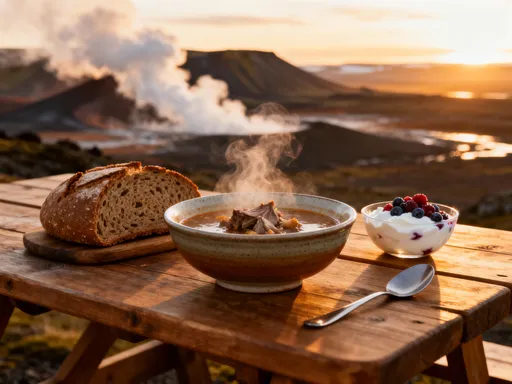
Lamb is perhaps the most iconic of Icelandic foods, and for good reason. Free-roaming sheep graze on wild herbs, moss, and grasses across the countryside, giving the meat a delicate, clean flavor unlike any other. In the Golden Circle region, many farms raise their own lambs and sell them directly to restaurants or at roadside stands. A simple lamb stew, slow-cooked with root vegetables and served with dark rye bread, is a staple in local cafes and a favorite among visitors seeking comfort and authenticity.
Dairy is another cornerstone of the regional diet. Icelandic skyr, a thick, protein-rich cultured dairy product, has gained international fame, but tasting it fresh from a local producer is a completely different experience. Made with minimal processing and no artificial additives, real skyr has a tangy, refreshing taste that pairs perfectly with fresh berries or a drizzle of wildflower honey. Many farms along the route offer skyr tastings, often alongside other dairy products like butter, cheese, and buttermilk, all made from milk sourced from their own herds.
Greenhouse farming, powered by geothermal energy, has revolutionized vegetable production in Iceland. In the Golden Circle, especially around Flúðir, vast greenhouses stretch across the landscape, growing tomatoes, cucumbers, herbs, and even bananas in a climate that would otherwise make such cultivation impossible. The use of natural heat and mineral-rich water results in produce that is not only fresh but packed with flavor. Visitors to farms like Fridheimar can walk among the vines, learn about sustainable growing practices, and enjoy meals made entirely from ingredients grown on-site. This direct connection between soil and plate is what makes the Golden Circle’s food scene so powerful—it turns every meal into a celebration of innovation and tradition.
Hot Springs and Hot Ovens: Unique Cooking Methods Along the Route
One of the most remarkable aspects of Icelandic cuisine is its use of natural resources for cooking. Nowhere is this more evident than in the traditional preparation of hverabrauð, or geothermal rye bread. This dense, dark loaf is slow-cooked for up to 24 hours by burying it in the warm volcanic soil near hot springs. The result is a subtly sweet, moist bread with a texture unlike any conventionally baked loaf. The process is not just practical—it is symbolic, representing Icelanders’ deep relationship with the earth’s energy.
At Laugarvatn Fontana, a geothermal spa and cultural site on the shores of Lake Laugarvatn, visitors can witness this method firsthand. Guides demonstrate how dough is placed in wooden boxes and buried in the ground, then retrieved the next day, fully baked. Some even offer hands-on experiences where guests can prepare and bury their own bread, returning later to enjoy the fruits of their labor. This interactive element transforms eating into an event—a memory that lingers far longer than any packaged souvenir.
The use of geothermal heat extends beyond bread. Some local restaurants utilize underground ovens to slow-cook lamb, potatoes, and even fish, infusing dishes with a unique earthiness. These methods are not gimmicks for tourists; they are centuries-old practices that have been preserved and adapted for modern times. By incorporating them into the visitor experience, Icelanders share not just food, but knowledge—passing down techniques that reflect their ingenuity and respect for nature.
What makes these culinary traditions feel so authentic is their simplicity and transparency. There are no hidden ingredients, no artificial enhancements—just time, heat, and natural elements. When travelers taste geothermal bread or sample lamb cooked in a hot spring, they are not just enjoying a meal; they are participating in a living tradition. This sense of connection is what distinguishes the Golden Circle’s food scene from typical tourist fare. It is not about spectacle, but about substance—about understanding a culture through the very methods it uses to sustain itself.
Hidden Eats: Family Cafes and Local Favorites Off the Main Path
While the main attractions of the Golden Circle draw crowds, some of the most memorable food experiences are found just off the beaten path. Nestled in quiet villages or tucked beside farm roads are family-run cafes, roadside stands, and small bakeries that offer a glimpse into everyday Icelandic life. These hidden gems may lack flashy signage or online reviews, but they make up for it in warmth, flavor, and authenticity.
In Flúðir, for example, a modest café run by a local family serves homemade lamb soup made from a generations-old recipe. The broth is rich and aromatic, simmered with onions, carrots, and herbs, and served with a slice of freshly baked rye bread. There’s no menu translation, no digital ordering—just a smile, a warm greeting, and a plate that feels like home. Similarly, near Haukadalur, a small farm stand offers fresh milk, skyr, and handmade pastries, all produced on-site. Visitors pull over in rental cars, exchange a few words in broken English and Icelandic, and leave with bags full of local goods and a sense of having discovered something special.
These small businesses are more than just food providers—they are custodians of culture. By operating on a human scale, they maintain a level of care and attention that larger establishments often lack. A pastry is rolled by hand, a soup is tasted and adjusted throughout the day, a loaf of bread is baked in small batches to ensure freshness. This dedication translates directly to the plate, creating meals that feel personal and meaningful.
Supporting these vendors does more than enhance the travel experience—it strengthens local economies and preserves culinary heritage. Every purchase helps a family-run farm stay in business, keeps traditional recipes alive, and ensures that future generations can continue to share their food with the world. For travelers, the reward is not just a satisfying meal, but the knowledge that they’ve made a positive impact. To identify these authentic spots, look for handwritten signs, limited seating, and menus that change with the season. Avoid places with identical menus in multiple languages or those located directly inside large tourist complexes. The real magic is found in the quiet, unassuming places where food is made with love, not for profit alone.
Balancing Tourism and Tradition: How Business Zones Keep Culture Alive
As tourism continues to grow in Iceland, communities along the Golden Circle face the challenge of welcoming visitors without losing their identity. The seasonal nature of travel—peaking in summer and slowing in winter—creates fluctuations in demand that can strain resources and disrupt local life. Yet, many towns have found ways to adapt, ensuring that tourism supports rather than overshadows tradition.
One key strategy is local ownership. When cafes, farms, and shops are run by residents rather than international chains, the character of the region remains intact. Locally owned businesses are more likely to use regional ingredients, employ neighbors, and reinvest profits into the community. They also tend to prioritize quality over quantity, offering experiences that reflect genuine hospitality rather than commercial efficiency.
Cooperatives and small-scale producer networks have also played a crucial role. In some areas, multiple farms pool resources to distribute products, operate shared markets, or offer joint tours. This collaborative approach reduces individual burden, increases sustainability, and strengthens community bonds. For example, a group of dairy farmers might collectively brand and sell their skyr under a regional label, making it easier to reach tourists while maintaining individual integrity.
Sustainability is another priority. Many food stops along the Golden Circle have adopted eco-friendly practices, such as using compostable packaging, minimizing food waste, and sourcing ingredients within a short radius. Some even incorporate educational elements, displaying signs that explain their farming methods or the environmental benefits of geothermal cooking. These efforts not only reduce ecological impact but also deepen the visitor experience, turning a simple meal into a lesson in responsible living.
By maintaining this balance, the Golden Circle remains a model of thoughtful tourism—one where economic opportunity and cultural preservation go hand in hand. Travelers benefit from authentic experiences, while locals retain control over how their heritage is shared. This harmony is not accidental; it is the result of careful planning, community engagement, and a shared belief that progress should never come at the cost of identity.
Planning Your Own Food-Focused Golden Circle Trip: A Practical Guide
For those inspired to explore the Golden Circle through its food, a little planning can make all the difference. The best time to visit is from late spring to early autumn, when most farm cafes, greenhouses, and roadside stands are open, and fresh produce is at its peak. June through August offers long daylight hours, making it easier to linger over meals and explore off-the-beaten-path spots. However, visiting in shoulder seasons like May or September can provide a quieter experience with fewer crowds, while still offering access to key food destinations.
Start your journey early in the morning from Reykjavik, allowing time to savor each stop. For breakfast, consider picking up fresh pastries and skyr from a local bakery in Selfoss before heading to Thingvellir. Mid-morning, stop at Fridheimar in Flúðir for lunch among the tomato vines—a must for any food lover. In the early afternoon, visit Laugarvatn Fontana not only for the geothermal bread experience but also for a light snack or hot drink by the lake. If you’re near Geysir, don’t miss the chance to try lamb soup at a nearby family-run café. And before returning to the capital, pick up souvenirs like smoked lamb, handmade chocolates, or jars of wild berry jam from a local farm shop.
Driving the Golden Circle is highly recommended, as it offers flexibility and access to remote food spots. Renting a vehicle with some storage space allows you to bring home perishable goods like cheese, yogurt, or fresh bread. A small cooler bag is useful for keeping items chilled. Always carry cash as some smaller vendors may not accept cards, and be mindful of opening hours, especially outside peak season.
When engaging with local food culture, do so with respect. Ask before taking photos, support small businesses directly, and take time to learn a few Icelandic words like *takk* (thank you) or *góða hvergi* (good appetite). Remember, you are a guest in someone’s community. By approaching food with curiosity and gratitude, you honor not just the meal, but the people who made it possible.
The Golden Circle isn’t just a loop of natural wonders—it’s a living map of Iceland’s soul, served on a plate. By embracing its quiet food revolution, travelers don’t just eat well; they connect deeper. When you taste geothermal rye bread or sip sheep’s milk yogurt at a family-run stop, you’re not just consuming—you’re participating. This is travel that feeds more than just curiosity. It nourishes understanding, one bite at a time.