You Won’t Believe How Alive Panama City’s Culture Really Is
Panama City isn’t just skyscrapers and ocean views—it’s a cultural heartbeat pulsing beneath the surface. I didn’t expect to find traditional pollera dances in city plazas or smell fresh tamal steam rising from street corners. From indigenous roots to Afro-Caribbean rhythms, the city’s identity unfolds in festivals, music, and daily rituals. This is culture you don’t just see—you feel it. Let me show you how to experience it like a local, not a tourist.
The Cultural Soul of a Modern Capital
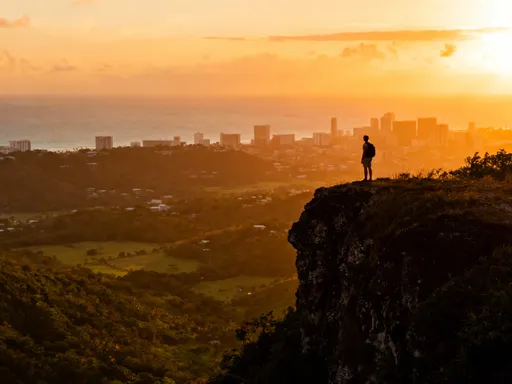
Panama City presents a striking duality: a skyline glittering with glass towers, yet grounded in centuries of layered traditions. While the financial district buzzes with global commerce, just a few miles away, the rhythms of ancestral life continue uninterrupted. This is not a city that abandoned its past for progress; rather, it has woven heritage into the fabric of modern living. The coexistence of old and new is most visible in neighborhoods like Casco Viejo and El Chorrillo, where colonial architecture stands beside modern cafes, and elders in traditional dress walk past young professionals with smartphones.
The city’s cultural identity is a mosaic shaped by indigenous civilizations, Spanish colonization, African resilience, and Caribbean vibrancy. Long before the Panama Canal transformed this region into a global crossroads, the land was home to native groups such as the Ngäbe, Guna, and Emberá. Their spiritual practices, crafts, and languages continue to influence daily life. Spanish rule introduced Catholic traditions, language, and architectural styles, many of which are still honored today. Meanwhile, the legacy of enslaved Africans and later Afro-Caribbean laborers—especially from Jamaica and Colombia—brought rich musical forms, culinary innovations, and a deep sense of community that remains vital.
This blend isn’t merely historical—it’s lived. In the morning, a woman may sell hand-embroidered molas outside a subway station; by evening, a street band plays salsa near a high-end restaurant. Schools teach both national history and traditional dance; radio stations alternate between reggaeton and folkloric music. Panama City does not perform its culture for outsiders—it lives it, breathes it, and invites respectful observers to step into its rhythm.
Festivals That Define the Calendar
No experience captures the spirit of Panama City more vividly than its festivals. These are not staged spectacles but authentic expressions of national pride, faith, and joy. Among the most significant is the Carnaval de Panamá, a four-day celebration held every year before Lent. Far from the commercialized parades of other countries, Panama’s Carnaval pulses with local energy. Floats adorned with flowers and mirrors roll through the streets of nearby towns like Las Tablas, but in the capital, the celebration takes on a more intimate, community-driven form. Families gather in parks, music blares from open windows, and children dance in handmade costumes.
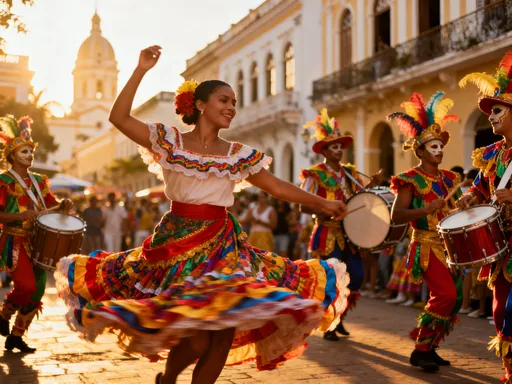
One of the most beloved traditions during Carnaval is the “culecos” — trucks equipped with water cannons that douse revelers in playful showers. While tourists may see it as mere fun, locals understand it as a ritual of renewal, a symbolic washing away of the old year. Music is central: live bands play salsa, reggaeton, and tamborito, while dance troupes in vibrant polleras—elaborate, hand-embroidered dresses—perform in plazas. The festival is a sensory immersion, with the scent of fried empanadas, the sound of drums, and the sight of color-drenched streets.
Another cornerstone of cultural life is the Festival de la Mejorana, held annually in October in the town of Guararé, though its influence reaches Panama City through satellite events and televised performances. Dedicated to preserving rural traditions, the festival honors folk music, horsemanship, and artisan crafts. In the capital, cultural centers often host Mejorana-themed nights featuring traditional string instruments like the mejoranera and the caja, along with storytelling and dance. These festivals are not relics of the past but living traditions that evolve while maintaining authenticity.
Music and Dance: The Rhythm of Everyday Life
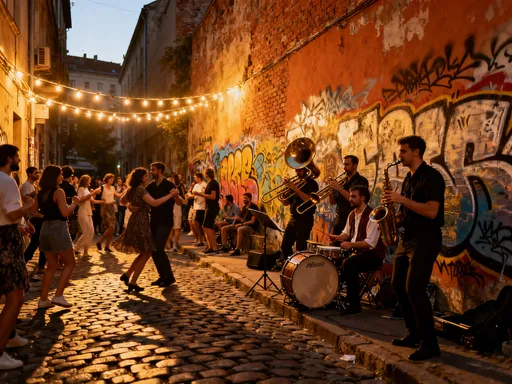
In Panama City, music is not entertainment—it’s a language. It echoes in bus stops, spills from open-air markets, and fills neighborhood courtyards after sunset. Salsa, with its intricate steps and emotional depth, remains a favorite, taught in community centers and danced in parks every weekend. Reggaeton, born from local and Caribbean influences, pulses through youth culture, its beats a soundtrack to daily life. But beyond these modern genres lies tamborito, Panama’s oldest musical tradition, rooted in African and indigenous rhythms.
Tamborito is more than a dance; it is a cultural ritual. Performed in a circle, it features call-and-response singing, handclaps, and drums made from hollowed wood. The lead singer, or cunera, improvises lyrics that often reflect social themes, love, or history. Women wear polleras, their wide skirts swirling as they move in precise, graceful steps. Men, in white guayaberas and hats, respond with energetic footwork. This dance is commonly seen during national holidays, religious festivals, and family celebrations, especially in Afro-Panamanian communities.
For visitors, experiencing tamborito isn’t about watching from the sidelines—it’s about feeling the beat, learning the steps, and respecting the tradition. Cultural centers like the Instituto Nacional de la Música and Teatro Nacional often host public workshops and performances. These spaces provide a safe, welcoming environment for locals and travelers alike to engage with Panama’s musical soul. When you dance, even clumsily, you’re not just participating—you’re honoring a legacy.
Casco Viejo: Where History Meets Modern Culture
Walking through Casco Viejo is like stepping into a living museum. This UNESCO World Heritage site, once the heart of colonial Panama City, has been carefully restored while retaining its soul. Cobblestone streets wind past pastel-colored buildings with ornate balconies, iron grilles, and red-tiled roofs. But Casco is not frozen in time. It thrives as a cultural hub where history and modernity coexist in harmony. Artisan shops sell handcrafted jewelry and molas, while small theaters host folk music concerts. Rooftop cafes offer views of the Pacific while playing traditional piano melodies.
One of the most striking aspects of Casco Viejo is its adaptive reuse. Former government buildings now house cultural foundations, and old churches have been converted into performance spaces. The Palacio de las Garzas, the official residence of the president, stands beside boutique hotels and art galleries. Yet, despite the gentrification, efforts have been made to preserve the neighborhood’s authenticity. Residents still gather in plazas like Plaza de la Independencia and Plaza Bolívar, where children play and elders chat on benches under mango trees.
Casco Viejo also serves as a platform for cultural expression. During the week, local artists display paintings in open-air exhibitions; on weekends, dance troupes perform in the streets. The annual Casco Viejo Festival celebrates the district’s heritage with guided tours, craft fairs, and live music. This blend of preservation and innovation makes Casco not just a tourist destination, but a living, breathing part of Panama City’s cultural identity.
Local Markets and Culinary Traditions
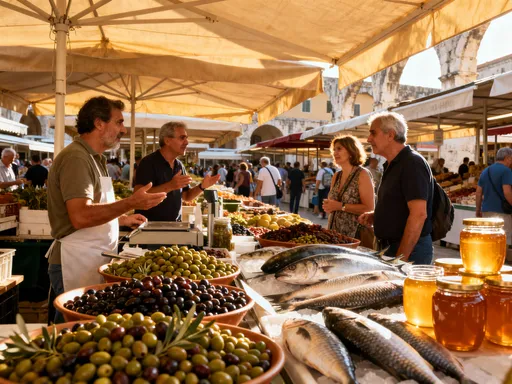
To understand a culture, one must taste it. In Panama City, food is more than sustenance—it’s memory, identity, and connection. The Mercado de Mariscos, located near the waterfront, offers a sensory journey into the city’s coastal soul. Here, fishermen unload the day’s catch: red snapper, octopus, and jumbo shrimp. Vendors shout prices in rapid Spanish, while the salty breeze carries the scent of grilled fish and lime. But beyond seafood, the market reveals the heart of Panamanian cuisine: dishes that tell stories of migration, survival, and celebration.
Sancocho, a hearty chicken and root vegetable stew, is considered the national dish. Its origins trace back to rural farming communities, where families would cook large pots to feed many. Each region adds its own twist—some include yuca, others corn or plantains—but the essence remains the same: comfort, warmth, and togetherness. Ceviche, made with fresh fish cured in citrus juice and mixed with onions, cilantro, and hot peppers, reflects the country’s coastal abundance. Hojaldas, golden fried pastries dusted with sugar, are a breakfast staple, often enjoyed with a cup of strong local coffee.
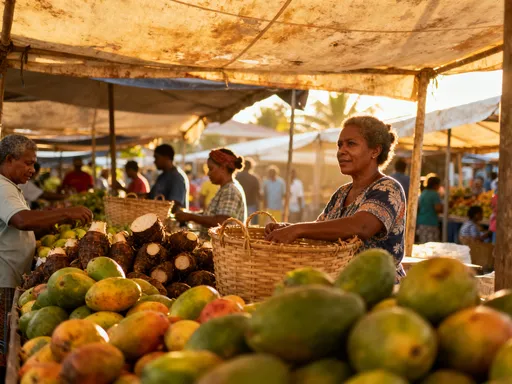
Smaller neighborhood markets, like those in San Miguel or Curundú, offer a more intimate glimpse into daily life. Here, grandmothers sell homemade tamales wrapped in banana leaves, filled with seasoned chicken and rice. Street vendors offer raspados (shaved ice) in tropical flavors like guava and tamarind. These foods are not prepared for tourists—they are part of the rhythm of life. When visitors sit on a plastic stool and eat from a paper plate, they aren’t just eating; they’re joining a tradition.
Indigenous and Afro-Panamanian Communities in the City
While many associate indigenous cultures with remote villages, Panama City is home to vibrant urban communities of Ngäbe, Guna, and Emberá people. They come to the capital for education, healthcare, and economic opportunities, bringing their traditions with them. In neighborhoods like Río Abajo and El Marañón, it’s common to see women in traditional dress—colorful layered skirts and intricate beaded jewelry. Men may carry hand-carved flutes or sell woven baskets in open-air markets.
Similarly, Afro-Panamanians, descendants of African slaves and Caribbean migrants, form a significant part of the city’s cultural fabric. Their influence is evident in the rhythms of tamborito, the flavors of coconut-based dishes, and the English-based Creole spoken in some communities. In districts like Calidonia and El Chorrillo, Afro-Panamanian pride is visible in murals, music festivals, and community centers dedicated to preserving heritage.
For travelers, engaging with these communities requires sensitivity and respect. Cultural centers such as the Museo AfroAntillano de Panamá offer educational exhibits on Afro-Caribbean history and contributions. Events like the annual Festival del Coco celebrate Afro-Panamanian culture with music, dance, and food. The key is to approach not as a spectator, but as a learner. Avoid taking photos without permission, refrain from treating people as exhibits, and support local artisans by purchasing authentic crafts. When done ethically, this engagement enriches both visitor and host.
How to Experience Culture Like a Local (Not a Tourist)
Experiencing Panama City’s culture authentically doesn’t require a luxury tour or a guidebook. It begins with presence—slowing down, observing, and listening. One of the simplest ways to connect is by attending free public events. Every weekend, plazas across the city host dance performances, music recitals, and craft fairs. These are not tourist traps; they are community gatherings where families picnic, children dance, and elders share stories.
Learning a few basic Spanish phrases—such as “¿Cómo está?” (How are you?) or “Gracias, muy amable” (Thank you, very kind)—goes a long way in building rapport. While many Panamanians speak English, especially in tourist areas, using Spanish shows respect and opens doors to more meaningful interactions. Don’t be afraid to ask questions politely; most locals are proud of their culture and happy to share.
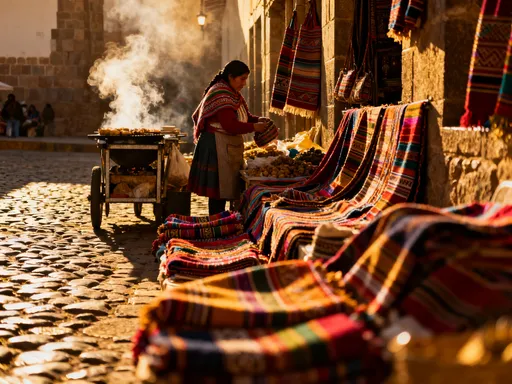
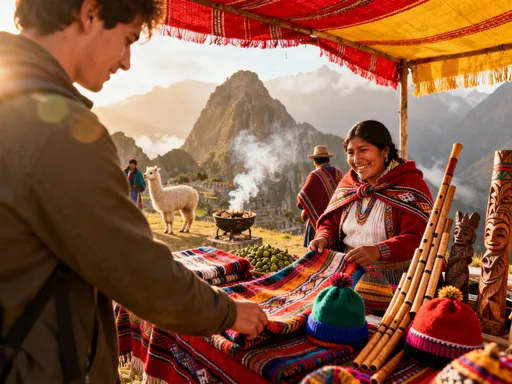
Another powerful way to connect is by supporting local artisans. Instead of buying mass-produced souvenirs, visit cooperatives or markets where craftspeople sell handmade goods. A mola—a colorful, hand-sewn textile made by Guna women—carries generations of symbolism. A wooden mask carved by an Emberá artist reflects spiritual beliefs. These items are not just decorations; they are cultural expressions worth preserving.
Finally, participate when invited. If you’re welcomed into a neighborhood celebration, accept with gratitude. Dance even if you’re unsure of the steps. Try the food, even if it’s spicy. These moments of vulnerability and openness are where true connection happens. Culture is not a performance to be consumed—it is a way of life to be respected and embraced.
Panama City’s culture is not something you check off a list. It’s something you feel in the drumbeat, taste in the sancocho, and see in the smile of a grandmother selling tamales. It’s alive, evolving, and deeply rooted. As travelers, we have the privilege—and responsibility—to engage with it thoughtfully.
The city’s resilience lies in its ability to honor the past while embracing the future. Its skyscrapers rise beside colonial ruins; its youth dance reggaeton while their grandparents hum tamborito. This is not contradiction—it is harmony. To visit Panama City is to witness a culture that refuses to be reduced to stereotypes. It challenges us to look deeper, listen closely, and travel with humility.
So come with curiosity. Come with respect. Come with an open heart. Because real culture isn’t performed. It’s lived. And in Panama City, it lives vibrantly, proudly, and without apology.