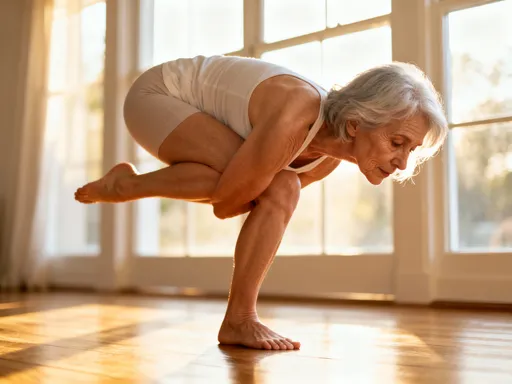
You Won't Believe How Simple Anti-Aging Rehab Really Is
As we age, small aches, stiffness, and low energy become more than just annoyances—they signal our bodies need real care. I once thought rehab was only for injuries, but now I see it’s a game-changer for staying strong and youthful. The truth? Gentle, daily training can transform how you move and feel. This isn’t about extreme workouts or magic fixes—it’s science-backed, beginner-friendly, and surprisingly doable. With just a few minutes a day, you can maintain mobility, reduce discomfort, and support long-term independence. The key lies not in intensity, but in consistency and the right kind of movement.
The Silent Signs of Aging (And Why Most People Ignore Them)
Many women in their 30s, 40s, and beyond begin to notice subtle changes in how their bodies move and respond. Knees creak when standing from a chair. Shoulders feel tight when reaching for a shelf. Balance wavers slightly when stepping off a curb. These signs are often dismissed as “just part of getting older.” But research from the National Institute on Aging shows that many of these symptoms are not inevitable—they are early indicators of physical decline that can be slowed or even reversed with the right interventions.
Joint stiffness, reduced flexibility, and slower recovery after physical activity are common, but they reflect deeper shifts in muscle mass, connective tissue elasticity, and neuromuscular coordination. After age 30, adults lose 3% to 5% of muscle mass per decade, a condition known as sarcopenia. This loss accelerates after 50 and directly impacts strength, balance, and metabolic health. Yet, many people accept these changes without seeking solutions, believing they have no control. This passive mindset allows small issues to grow into larger limitations over time.
The good news is that aging does not have to mean decline. A shift in perspective—from accepting physical changes as normal to viewing them as manageable—can make all the difference. Instead of waiting for pain or injury, proactive care through rehabilitation-style movement can preserve function and enhance quality of life. Think of it as routine maintenance for your body, much like oil changes keep a car running smoothly. When you start paying attention to these silent signals early, you gain the power to respond before limitations take root.
What Is Rehabilitation Training—and Why It’s Not Just for Injuries?
Rehabilitation training is often misunderstood as something only needed after surgery or an accident. In reality, it is a powerful tool for lifelong health, especially as we age. At its core, rehab training uses targeted, low-impact movements to improve how the body functions in everyday life. It’s not about building muscle for appearance or endurance for competition—it’s about restoring and maintaining the ability to move safely, efficiently, and with confidence.
Unlike traditional gym workouts that focus on intensity, reps, and calories burned, rehab training emphasizes quality of movement, joint alignment, and neuromuscular control. For example, a rehab exercise might involve slowly standing up from a chair without using your hands, which strengthens the legs and improves balance in a way that directly translates to real-life activities. Another might include controlled shoulder rolls to improve range of motion, making it easier to reach overhead or carry groceries.
The benefits extend far beyond physical ability. Studies published in the Journal of the American Geriatrics Society show that functional training reduces fall risk by up to 30% in older adults. It also improves sleep quality, reduces chronic discomfort, and boosts mental well-being by increasing independence. When you can tie your shoes without pain, walk up stairs without stopping, or play with grandchildren without fatigue, your sense of freedom and self-reliance grows. Rehabilitation training is not a quick fix—it’s a sustainable approach to preserving your ability to live fully, no matter your age.
The Beginner’s Advantage: Starting Late Is Better Than Never
One of the most persistent myths about physical health is that you must start young to see results. The truth is, the body remains adaptable well into later decades. In fact, research from the Centers for Disease Control and Prevention confirms that even individuals who begin exercising for the first time in their 60s or 70s experience significant improvements in strength, balance, and cardiovascular health. The key is not when you start, but that you start with the right approach.
Many women feel intimidated by fitness because they associate it with high-intensity workouts, heavy weights, or complex routines. But rehabilitation training is designed for beginners. It meets you where you are—whether you’ve been active your whole life or haven’t exercised in decades. The focus is on gentle, repeatable movements that build a foundation of strength and mobility without strain. This low-barrier entry increases the likelihood of consistency, which is far more important than intensity when it comes to long-term results.
Consider the story of Margaret, a 62-year-old who began a simple rehab routine after years of avoiding exercise due to knee discomfort. Within three weeks of doing 10 minutes a day, she noticed she could walk to her mailbox without limping. By week six, she was gardening for longer periods without needing to sit down. Her progress wasn’t dramatic by fitness standards, but it was life-changing in practical terms. Her experience reflects a broader truth: small, consistent efforts yield meaningful gains, especially when they are tailored to individual needs and paced appropriately.
The Core Principles of Effective Anti-Aging Rehab Exercises
Effective rehabilitation training for aging adults rests on four foundational movement categories: mobility, stability, strength, and endurance. Each plays a distinct role in maintaining physical function, and together, they create a balanced system that supports healthy aging. Understanding these principles helps you choose exercises that deliver real, lasting benefits.
Mobility refers to the ability of your joints to move freely through their full range of motion. Over time, inactivity and repetitive movements can cause stiffness in the hips, shoulders, and spine. Gentle mobility exercises—such as neck rotations, ankle circles, and seated spinal twists—help lubricate the joints, improve circulation, and reduce stiffness. These movements are especially important for those who spend long hours sitting, as prolonged inactivity accelerates joint degeneration.
Stability involves the body’s ability to maintain control during movement. It relies on the deep core muscles, pelvic floor, and postural support systems. A simple example is standing on one leg while brushing your teeth—a small act that trains balance and activates stabilizing muscles. Poor stability increases fall risk and makes daily tasks more difficult. Rehab exercises like heel-to-toe walks or controlled weight shifts help retrain the nervous system to coordinate movement safely.
Strength is essential for maintaining muscle mass and supporting joint health. As muscle weakens with age, the body places more stress on tendons and ligaments, increasing injury risk. Rehab strength exercises focus on functional movements—such as sit-to-stand from a chair, wall push-ups, or step-ups onto a low platform—that build strength in ways that directly support daily living. These exercises are low-impact and can be modified to match any fitness level.
Endurance ensures the body can sustain activity over time without excessive fatigue. For rehab purposes, this doesn’t mean running marathons—it means being able to walk through a grocery store, carry laundry, or enjoy a long conversation while standing. Low-impact aerobic activities like walking, water aerobics, or stationary cycling improve cardiovascular endurance while being gentle on the joints. When all four principles—mobility, stability, strength, and endurance—are integrated into a routine, the result is a body that moves with greater ease, confidence, and resilience.
Your First Week: A Step-by-Step Action Plan
Starting a new routine can feel overwhelming, but breaking it down into manageable steps makes it achievable. Here is a simple, equipment-free plan designed for the first week of anti-aging rehab training. Each day includes a 5-minute warm-up, 10 minutes of targeted exercises, and a 3-minute cooldown. The entire routine takes less than 20 minutes and can be done at home.
Day 1 begins with a warm-up: seated neck rolls, shoulder rolls, and ankle circles—two sets of 10 repetitions each. Then move to the main exercises: sit-to-stand from a sturdy chair (8–10 reps), heel-to-toe walk along a hallway (2 passes), and seated spinal twist (10 reps per side). Finish with deep breathing and shoulder relaxation. Days 2 and 3 follow the same structure, allowing your body to adapt gradually. By Day 4, add wall push-ups (8–10 reps) and standing on one leg (hold 15 seconds per side, repeat twice). Days 5–7 repeat the sequence, increasing repetitions slightly if comfortable.
Common mistakes beginners make include moving too quickly, holding their breath, or pushing through discomfort. Remember, rehab is not about speed or intensity. Move slowly, breathe steadily, and stop if you feel sharp pain. Focus on form, not numbers. Another frequent error is skipping the cooldown, which helps the body reset and reduces soreness. Use this time to stretch gently and reflect on how your body feels.
Tracking progress doesn’t require a journal or complex metrics. Notice small wins: do you stand up more easily? Sleep better? Feel less stiffness in the morning? These subtle changes are signs the routine is working. Celebrate them. Consistency in the first week builds momentum for the weeks ahead.
Making It Stick: Building a Habit That Feels Natural
Motivation is powerful, but it fades. What lasts is a system—small, reliable habits that fit seamlessly into daily life. The most successful long-term changes are not born from willpower, but from design. To make rehab training a lasting part of your routine, link it to existing habits. For example, do your exercises right after brushing your teeth in the morning or while waiting for your coffee to brew. Pairing the new behavior with a well-established one increases the likelihood of follow-through.
Environmental cues also help. Place a yoga mat in a visible spot, or leave your water bottle and towel nearby as a visual reminder. If mornings are hectic, choose a consistent evening time. The goal is not perfection, but regularity. Even on busy days, doing just five minutes keeps the habit alive. Over time, the body begins to expect and even crave the movement, making it easier to continue.
Patience is essential. While some improvements—like better posture or reduced stiffness—can appear within days, deeper changes in muscle strength and balance take 6 to 8 weeks. Studies in behavioral psychology show that habit formation varies by individual, but consistency during the first two months is the strongest predictor of long-term success. Trust the process. The benefits accumulate quietly but powerfully, building a foundation of strength that supports every aspect of daily life.
When to Seek Help: Knowing the Line Between Self-Care and Professional Guidance
While a home-based rehab routine is safe and effective for most people, there are times when professional guidance is necessary. Persistent pain—especially sharp, localized, or worsening discomfort—is not normal and should not be ignored. If you experience pain during or after exercise that lasts more than a few hours, it’s time to consult a physical therapist or healthcare provider. Similarly, sudden changes in balance, numbness, or weakness in the limbs warrant medical evaluation.
Knowing where to start with professional help can feel overwhelming. Begin by talking to your primary care doctor, who can refer you to a licensed physical therapist. Look for professionals certified in geriatric or orthopedic rehabilitation, as they have specialized training in age-related movement challenges. Many clinics offer initial assessments to create personalized exercise plans tailored to your needs and limitations.
Personalization is key. A one-size-fits-all approach may not address specific conditions like arthritis, osteoporosis, or previous injuries. A physical therapist can modify exercises to ensure safety and effectiveness, such as recommending seated alternatives for those with balance concerns or adjusting resistance levels for joint protection. Investing in a few sessions with a professional can prevent setbacks and accelerate progress, making your long-term routine more sustainable and rewarding.
Conclusion: Aging With Strength, Not Surrender
Rehabilitation training is not about reversing the clock or achieving a youthful appearance. It’s about moving forward with strength, confidence, and independence. By embracing daily movement as a form of self-respect, you take an active role in shaping how you age. The small, consistent actions you take today—gentle stretches, mindful balance exercises, functional strength training—build a future where age does not limit your ability to live fully.
This journey is not flashy or fast. It doesn’t promise overnight transformations. But it delivers something far more valuable: the ability to carry your life with ease. To bend down without fear of falling. To travel without fatigue. To enjoy time with loved ones without being held back by pain or stiffness. These are the true markers of wellness.
Start small. Choose one exercise to try tomorrow. Build from there. Stay consistent, not perfect. Over time, you’ll discover that anti-aging rehab isn’t a burden—it’s a gift you give yourself, one movement at a time. Your body has carried you through decades of life. Now, it’s your turn to care for it with intention, wisdom, and daily commitment.