How I Calmed My Mind and Stopped Worrying About Hair Loss
Losing hair can hit hard—suddenly, your confidence starts thinning too. I know that anxious mirror check all too well. But what if the real fix isn’t just about products or routines, but your mindset? Turns out, stress plays a huge role in hair health. After learning to manage my thoughts and emotions, I saw real changes. This is about what actually helped me, step by step, as a total beginner. It wasn’t an overnight transformation, but a gradual shift that brought peace, clarity, and surprisingly, healthier hair. The journey wasn’t about chasing perfection, but about finding balance where I could thrive emotionally and physically.
The Shock of First Hair Loss
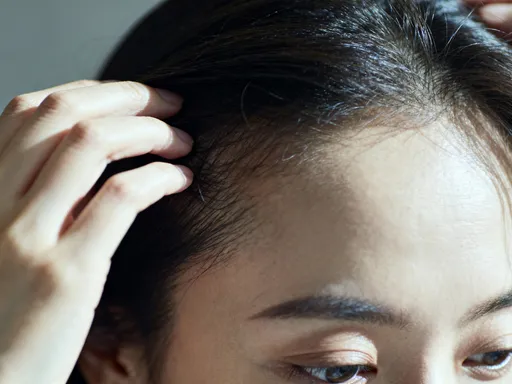
It began subtly—a few extra strands in the shower drain, a slight widening of the part in my hair. At first, I brushed it off, telling myself it was normal shedding. But over weeks, the changes became harder to ignore. I started noticing clumps on my brush, and one morning, I caught a patch near my temple that looked noticeably thinner. That moment stayed with me—a quiet jolt of fear as I leaned closer to the mirror, searching for answers in my reflection. The physical change was real, but the emotional impact ran deeper. A wave of self-doubt crept in, whispering that I was losing more than hair—I was losing a part of my identity.
What followed was a cycle of anxiety that only made things worse. I began checking my hair constantly—after washing, before bed, even midday. Each strand on my clothes or pillow felt like a personal failure. I started avoiding photos and social events, worried others would notice. This obsessive behavior didn’t protect my hair; it amplified my distress. The more I worried, the more I seemed to lose, creating a feedback loop that felt impossible to break. I didn’t realize it then, but I was caught in a well-documented pattern: psychological stress can directly influence physical conditions, including hair health.
Medical research has long recognized the connection between emotional strain and bodily symptoms. Stress triggers the release of cortisol, a hormone that, in excess, can disrupt various physiological processes. In the context of hair, elevated cortisol levels may contribute to inflammation, weaken hair follicles, and even push more hairs into the shedding phase. While not everyone who experiences stress will lose hair, chronic emotional pressure can act as a catalyst, especially in those already predisposed to hair thinning. My experience wasn’t unique—it was a common reaction to a very real biological process. Recognizing this helped me shift from shame to understanding. Instead of blaming myself, I began to see my hair loss as a signal—not just from my body, but from my mind.
Breaking the Myth: Hair Loss Isn’t Just Physical
Like many, I initially believed hair loss was purely a physical issue—something determined by genetics, diet, or the shampoo I used. I scoured product labels, switched brands, and even considered expensive treatments, convinced the solution had to come from the outside. But the more I learned, the clearer it became: while external factors matter, they don’t tell the whole story. One of the most overlooked contributors to hair health is mental well-being. Chronic stress, anxiety, and emotional imbalance can all play significant roles in disrupting the hair growth cycle.
The idea that emotions affect physical health isn’t new. The body and mind are deeply interconnected, and this connection extends to the scalp. When we’re under prolonged stress, the body remains in a state of heightened alert. This activates the sympathetic nervous system, which, over time, can interfere with normal cell regeneration, including that of hair follicles. Cortisol, often called the “stress hormone,” can impair nutrient absorption, reduce blood flow to the scalp, and increase inflammation—all of which can hinder healthy hair growth. While genetics and hormones are important, they don’t operate in isolation. Emotional health influences how these factors express themselves in the body.
Understanding this shifted my perspective entirely. I realized I had been focusing only on the visible symptoms while ignoring the internal environment that supported them. Just as a plant needs healthy soil to thrive, hair needs a balanced internal state to grow strong. This doesn’t mean stress is the sole cause of hair loss—for many, genetic or medical conditions are primary factors. But for those experiencing stress-related shedding, often called telogen effluvium, emotional regulation can be a powerful part of the solution. The goal isn’t to eliminate all stress—that’s impossible—but to build resilience so it doesn’t take over. By addressing my mental state, I wasn’t avoiding medical causes; I was creating a foundation where healing could occur more effectively.
Mind Over Mirror: Shifting My Perspective
The turning point came when I stopped fighting reality and started working with it. I had spent months resisting the changes in my hair, wishing them away, and punishing myself for not being able to stop them. But denial only deepened my anxiety. The first real step toward healing was acceptance—not resignation, but a quiet acknowledgment that some things were beyond my control. I couldn’t reverse genetics or erase every strand that fell, but I could choose how I responded. That shift in mindset was subtle but transformative. Instead of asking, “Why is this happening to me?” I began asking, “What can I do right now to feel more grounded?”
Part of this shift involved changing my inner dialogue. I noticed how often I spoke to myself with harshness: “You’re losing it,” “You look older,” “No one will find you attractive.” These thoughts weren’t facts—they were emotional reactions, amplified by fear. I started replacing them with neutral or compassionate observations: “My hair is changing, and that’s okay,” “I’m doing my best,” “My worth isn’t defined by my appearance.” At first, it felt awkward, even forced. But over time, these gentler statements began to feel more natural. I wasn’t trying to fake positivity; I was simply creating space between my emotions and my identity.
This mental reframe didn’t stop the hair loss overnight, but it did reduce the daily weight of anxiety. I found myself less reactive to small changes. I could look in the mirror without flinching. That emotional stability had a ripple effect—I slept better, made calmer choices, and felt more present in my life. Emotional resilience doesn’t mean never feeling upset; it means not getting stuck in the upset. By shifting my focus from panic to action, I regained a sense of agency. I wasn’t powerless. I could nurture my mind, support my body, and create conditions where healing had a chance to happen.
Simple Mindfulness Habits That Made a Difference
With a new mindset in place, I looked for practical ways to support it. I didn’t need dramatic changes—just small, consistent habits that could fit into my daily routine. I started with breathwork, something I’d heard about but never tried seriously. The 4-7-8 method became my anchor: inhale for four seconds, hold for seven, exhale slowly for eight. I practiced this each morning, sitting quietly with my eyes closed. At first, my mind raced, jumping from one worry to the next. But over time, those few minutes became a sanctuary. The rhythmic breathing calmed my nervous system, signaling to my body that it was safe. Within a few weeks, I noticed a difference not just in my mood, but in physical signs like reduced scalp tension and improved sleep quality.
Another small but powerful habit was the daily awareness break. I set a timer for five minutes, usually in the afternoon, when stress tended to peak. During this time, I stepped away from screens, sat comfortably, and simply paid attention to my senses—the feel of my feet on the floor, the sound of birds outside, the rhythm of my breath. I didn’t try to clear my mind; I just observed without judgment. These moments of presence helped me break out of autopilot mode and reconnect with the present. They didn’t erase stress, but they gave me space to respond rather than react. Over time, I became more aware of my emotional triggers and could catch spiraling thoughts before they took over.
In the evenings, I added a reflection practice. Instead of scrolling through my phone, I spent ten minutes journaling or sitting quietly, reviewing the day with kindness. I asked myself simple questions: “What did I do well today?” “When did I feel calm?” “What can I let go of?” This wasn’t about problem-solving; it was about cultivating self-awareness and gratitude. These mindfulness habits didn’t require special equipment or hours of time. They were accessible, gentle, and effective. And slowly, I began to see changes not just in my mental state, but in my hair. Shedding decreased, texture improved, and new growth became more noticeable. I can’t say these practices reversed my hair loss completely, but they created the internal conditions where improvement could occur.
Building a Calm-Down Routine (No Meditation Required)
Not everyone resonates with formal meditation, and that’s perfectly okay. What matters is finding practices that help regulate the nervous system and reduce emotional overload. I built a simple calm-down routine that didn’t feel intimidating or time-consuming. It started with journaling. Every evening, I wrote down three worries or thoughts that had been cycling in my mind. Getting them out of my head and onto paper made them feel more manageable. I didn’t analyze them deeply—just acknowledged them and set them aside. This small act reduced mental clutter and prevented rumination from interfering with sleep.
Next, I incorporated light stretching. I wasn’t aiming for a workout—just gentle movements to release physical tension. I focused on my neck, shoulders, and scalp, areas where I tended to hold stress. A few slow neck rolls, shoulder shrugs, and scalp massages became part of my wind-down ritual. These movements improved circulation and helped me feel more connected to my body. Over time, I noticed less tightness in my scalp, which I suspect supported healthier follicle function. Physical relaxation and emotional calm go hand in hand; when the body feels safe, the mind follows.
Finally, I introduced a digital detox before bed. I turned off screens at least thirty minutes before sleep and replaced that time with calming activities—reading a book, sipping herbal tea, or listening to soft music. This simple boundary reduced mental stimulation and improved sleep quality significantly. Good sleep is essential for hormone regulation, tissue repair, and overall well-being—all of which support hair health. This routine wasn’t about perfection. Some nights I skipped a step, and that was okay. The key was consistency over intensity. Small efforts, repeated over time, created lasting change. More importantly, this routine reinforced the idea that self-care isn’t selfish—it’s necessary. By calming my mind, I naturally made better choices in other areas, like eating more nourishing foods and staying hydrated, which further supported my overall health.
When to Seek Professional Support
While mindset shifts and lifestyle changes can make a meaningful difference, they are not a substitute for professional care. There are various medical causes of hair loss, including hormonal imbalances, nutritional deficiencies, and autoimmune conditions, all of which require proper diagnosis and treatment. If hair loss is sudden, severe, or accompanied by other symptoms, it’s important to consult a healthcare provider. A doctor can run tests, identify underlying causes, and recommend appropriate interventions, whether that’s medication, supplements, or referrals to specialists.
Similarly, if anxiety about appearance becomes overwhelming or begins to interfere with daily life, seeking support from a counselor or therapist can be incredibly helpful. Cognitive behavioral therapy (CBT), for example, has been shown to be effective in managing health-related anxiety and improving emotional regulation. Talking to a professional doesn’t mean you’re weak—it means you’re taking your well-being seriously. Mental health is just as important as physical health, and addressing both leads to better outcomes. I eventually spoke with a therapist who helped me explore the deeper beliefs I had about appearance and self-worth. That conversation was a turning point in my journey.
It’s also important to remember that self-care isn’t a shortcut to a cure. Healing is rarely linear, and progress often comes in small steps. The goal isn’t to eliminate all stress or achieve perfect hair, but to build resilience and create a life where you feel more at peace. Professional support complements personal efforts—it doesn’t replace them. By combining medical guidance with emotional self-care, you create a holistic approach that honors both body and mind. You don’t have to do it all alone. There is no shame in asking for help, and doing so can be one of the bravest and most empowering choices you make.
Progress, Not Perfection: My Realistic Journey
Looking back, I can see how far I’ve come. The hair loss didn’t vanish, but my relationship with it changed completely. I no longer panic at the sight of a few strands in the sink. I don’t avoid mirrors or dread bad hair days. Instead, I’ve learned to meet myself with kindness, regardless of how my hair looks. The shedding has stabilized, and in some areas, I’ve even noticed new growth. But more than the physical changes, what matters most is the inner shift. I feel calmer, more patient, and more accepting of the things I can’t control.
Self-acceptance was the real game-changer. When I stopped seeing hair loss as a personal failure, the emotional weight lifted. I realized that my value wasn’t tied to my appearance, and that truth freed me. This didn’t happen overnight—it was the result of daily practices, small choices, and a commitment to my well-being. There were setbacks, of course. Some days the old fears returned. But now, I have tools to navigate them. I breathe, I pause, I reframe. I remind myself that healing is not about perfection, but about progress.
What started as a distressing experience became a journey of self-discovery. I learned that true self-care goes beyond skincare routines or supplements—it’s about tending to the mind with the same care we give the body. Small mental shifts created ripple effects throughout my life. I sleep better, feel more present, and approach challenges with greater calm. And yes, my hair has responded. It may never be exactly as it was, and that’s okay. I’ve learned to appreciate what’s still here, and to care for it with gentleness and respect. This journey taught me that healing begins not with fixing, but with allowing—allowing ourselves to feel, to change, and to grow, even in the midst of uncertainty.
Hair loss may start on the scalp, but healing often begins in the mind. By focusing on emotional balance, I didn’t just reduce stress—I reclaimed control. This journey taught me that true self-care isn’t about quick fixes, but lasting inner shifts. You’re not alone, and with gentle, consistent steps, things really can get better.